
Blog
How Much Can a Roof Repair Save You vs Replacement?
A $1,200 Fix or a $14,000 Decision?
A homeowner in West Paducah calls after a heavy rain. There’s a stain on the ceiling and a few shingles missing near the ridge. One contractor says it can be repaired for $1,200. Another says the roof is aging and recommends full replacement at $13,500.
Both could be right.
The difference between repair and replacement isn’t just price — it’s timing, lifespan, and risk exposure. The real savings question is this:
How much money does a repair actually preserve — and how long does that preservation last?
This breakdown approaches the topic the way a financial decision should be analyzed: by modeling scenarios instead of comparing price tags.
The Immediate Savings — What Stays in Your Pocket Today
Start with straightforward math.
Typical pricing in the West Paducah, Kentucky area:
Minor leak repair: $400 – $1,200
Multi-area repair: $1,200 – $3,500
Structural repair with decking: $3,500 – $7,000
Full asphalt roof replacement: $8,000 – $18,000+
If your roof qualifies for a $1,200 repair instead of a $14,000 replacement, the immediate retained cash is roughly $12,800.
That’s real savings — but only if the repair meaningfully extends roof life.
Upfront savings without lifespan extension is just delayed spending.
The 5-Year Financial Scenarios
To understand true savings, it helps to model possible outcomes over five years.
Below are three common paths homeowners in Western Kentucky experience.
If the repair truly resolves the issue, savings are massive.
If the roof continues deteriorating and replacement becomes necessary anyway, the repair may simply add to total cost.
This is why roof condition matters more than sticker price.
The “Cost Per Remaining Year” Method
Instead of focusing on total price, calculate cost per year of expected performance.
Example A:
Roof age: 12 years
Expected lifespan: 22 years
Repair cost: $2,000
Life extension: 8 years
Cost per added year: $250
Example B:
Roof age: 21 years
Expected lifespan: 22–25 years
Repair cost: $3,500
Life extension: 2 years
Cost per added year: $1,750
In Example A, repair is financially efficient.
In Example B, replacement likely delivers better value.
In humid regions like West Paducah, roofs near end-of-life often decline faster once failure begins.
When Repair Generates Maximum Savings
Repair creates the strongest financial advantage under specific conditions.
It tends to make sense when:
The roof is under 15 years old
Damage is isolated to one section
The attic shows no widespread moisture
Shingle granules are largely intact
Structural decking remains solid
In these cases, repair can delay replacement by 5–10 years — preserving significant capital.
When Replacement Preserves Long-Term Value
Replacement becomes financially safer when deterioration is systemic rather than localized.
It is often the better investment when:
Multiple leak points exist
Shingles are curling across broad areas
Past repairs have already occurred
The roof exceeds 20 years of age
Energy efficiency improvements are desired
While the upfront cost is higher, replacement eliminates compounding repair risk and provides warranty protection.
Risk Exposure: The Hidden Cost Multiplier
The largest financial threat isn’t roof cost — it’s water damage.
In Western Kentucky’s heavy rain cycles, small leaks can escalate into:
Interior drywall replacement
Insulation saturation
Mold remediation
Structural framing repair
Electrical complications
A $1,500 repair that fails and causes $6,000 in interior damage eliminates all projected savings.
This is why accurate diagnosis is more important than lowest price.
Insurance Factor in West Paducah
Storm-related damage may alter the math.
If insurance covers significant portions of replacement due to wind or hail, the out-of-pocket gap between repair and replacement narrows dramatically.
When insurance offsets replacement cost, long-term value often favors full system renewal.
Resale Considerations
If you plan to sell within five years, replacement may carry financial leverage.
Buyers often negotiate aggressively on aging roofs. A new roof can:
Increase buyer confidence
Reduce inspection objections
Improve appraisal perception
In competitive housing markets around Paducah, exterior condition influences negotiation power.
Repair preserves cash now. Replacement can preserve equity later.
A Practical Decision Threshold
Use this simple rule of thumb:
If projected repair costs exceed 40–50% of replacement cost within a five-year window, replacement usually becomes financially smarter.
If repairs are minor and extend life significantly, savings are substantial.
The difference lies in roof condition, not preference.
Frequently Asked Questions
How much can a roof repair realistically save?
If damage is isolated and the roof is mid-life, savings can exceed $10,000 compared to immediate replacement.
Is it risky to keep repairing an older roof?
Yes. Near end-of-life systems are more likely to develop additional failures, increasing cumulative expense.
Does replacement always add home value?
A new roof improves buyer confidence and resale stability, especially when the previous roof was aging.
Can repairs extend roof life significantly?
On younger roofs, targeted repairs can extend life 5–10 years.
How do I know which option applies to me?
A thorough inspection of decking, ventilation, flashing, and shingle condition determines whether the issue is isolated or systemic.
Conclusion
Roof repair can save thousands — sometimes over $10,000 — when the roofing system still has structural life remaining. In West Paducah, Kentucky, where seasonal storms create localized damage, strategic repair often delivers strong financial efficiency.
However, when deterioration is widespread or the roof is nearing end-of-life, replacement may prevent compounding costs and interior damage.
The smartest decision isn’t based on lowest price — it’s based on lifespan extension versus cumulative risk. Homeowners evaluating that balance often work with experienced local professionals like Manning Roofing and Restoration to determine which path protects both their property and their long-term budget.

Our Services
Contact Information
Call (270) 559-9019
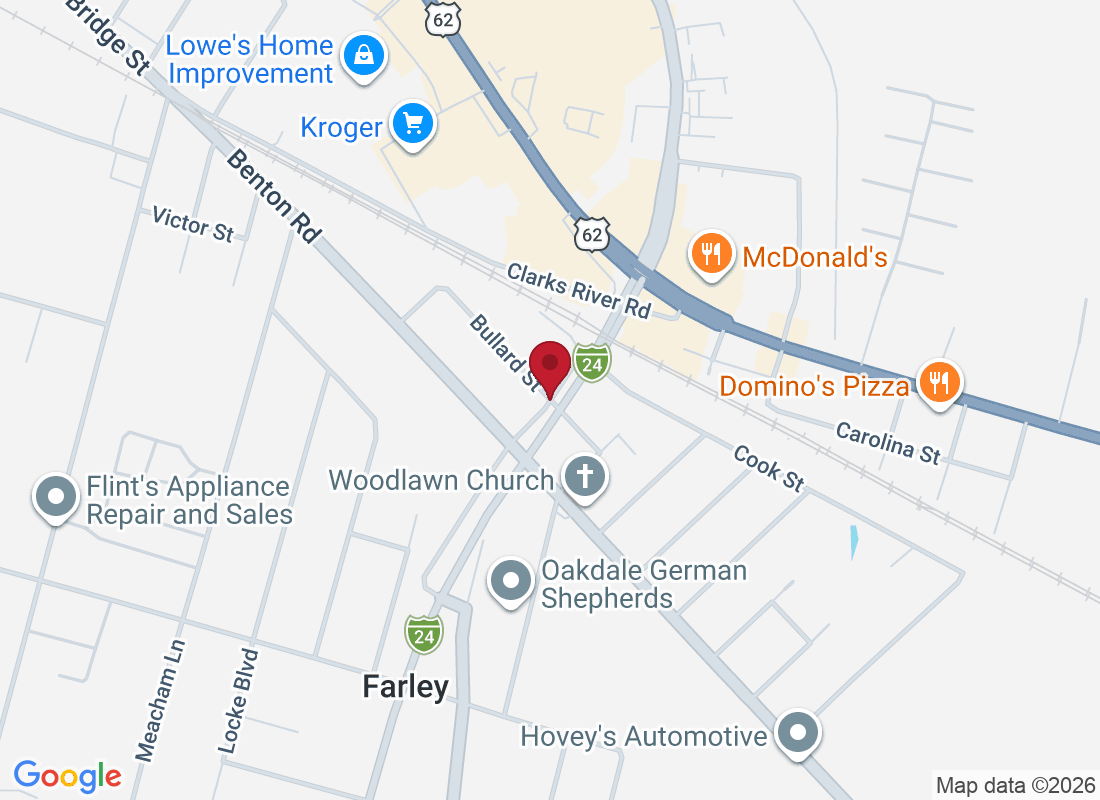
Address: 7121 Kentucky 3520 West Paducah Kentucky 42086
And Surrounding Areas
Business Hours:
Mon - Fri : 7:00AM - 5:00PM
Sat : 8:00AM - 12:00PM
Our Location
© 2025 All Rights Reserved | Manning Roofing and Restoration