
Blog
Do You Need Underlayment for Shingles on Every Roof?
Introduction
When most people think about a new roof, they picture shingles — not what goes underneath them. But one of the most important parts of any roofing system is hidden from view: the underlayment. It’s the layer installed between the wood deck and the shingles, and it often raises a simple question for homeowners: is it really necessary on every roof?
If you live in Paducah, Kentucky, where heavy rain, humidity, and strong storms are part of the yearly weather pattern, the answer becomes even more important. In this guide, we’ll explain what underlayment does, when it’s required, and whether any roof can safely go without it.
What Is Roof Underlayment and What Does It Do?
Roof underlayment is a protective sheet material installed directly on top of the roof deck before shingles are applied. It creates a secondary moisture barrier that backs up the shingles above it.
While shingles are designed to shed water, they aren’t perfectly sealed. Wind-driven rain, small gaps, lifted edges, or damaged areas can allow moisture to pass underneath. Underlayment catches that water before it reaches the wood decking.
At a basic level, underlayment helps:
Prevent water intrusion
Protect decking from rot and mold
Shield the roof during installation
Improve overall durability
Support manufacturer warranty compliance
Without this layer, your roof depends entirely on the shingles — which isn’t ideal during storms or aging.
Do You Need Underlayment on Every Roof?
In modern construction, the short answer is yes, almost always.
Today’s building codes, roofing standards, and manufacturer guidelines treat underlayment as a required component of a complete roofing system. It’s not considered an optional add-on or upgrade.
Most new or replacement shingle roofs include underlayment because:
It’s required for inspections and code compliance
Shingle warranties depend on it
It adds essential waterproofing protection
It helps prevent premature deck damage
There are very few modern situations where shingles are installed directly onto bare wood decking. That method was more common decades ago, but it’s no longer considered best practice.
Why Underlayment Matters More in Paducah, Kentucky
Roofing decisions should always factor in local climate. What might work in dry regions doesn’t always hold up in areas with frequent storms.
Paducah’s weather includes:
Regular rainfall
Humid summers
Sudden thunderstorms
Occasional high winds
Seasonal temperature changes
These conditions create more opportunities for moisture to work under shingles. Even small amounts of repeated water exposure can cause slow, hidden damage to decking.
Because of this, local contractors typically consider underlayment essential, not optional. Companies like Manning Roofing & Restoration routinely include it as a standard part of every shingle installation to help homes withstand these conditions.
Types of Underlayment Used Beneath Shingles
Not all underlayment materials are the same. Depending on the roof design and homeowner preferences, contractors may recommend different options.
Asphalt Felt (Traditional Roofing Paper)
A long-used, cost-effective material that provides reliable moisture resistance for most residential roofs.
Synthetic Underlayment
Made from lightweight polymers, offering better tear resistance, longer lifespan, and easier installation.
Ice and Water Shield
A self-adhering membrane used in vulnerable areas like valleys, eaves, and around penetrations for extra waterproofing.
Each type serves the same purpose — protecting the deck — but offers different levels of durability and performance.
Situations Where Underlayment Is Absolutely Critical
While underlayment is recommended across the entire roof, some areas depend on it even more.
Certain roof sections experience concentrated water flow or higher risk of intrusion. These include:
Valleys where two slopes meet
Roof edges and eaves
Around chimneys and vents
Skylights
Low-slope sections
In these spots, skipping underlayment significantly increases leak risk. Additional waterproof membranes are often layered in for extra protection.
So even if someone questions underlayment elsewhere, these areas practically demand it.
How Underlayment Is Installed During a Shingle Project
Understanding the installation process makes it clear why underlayment is considered foundational.
A standard workflow looks like this:
Decking is inspected and repaired
Underlayment is rolled out across the surface
Rows overlap to direct water downward
Fasteners secure it tightly
Flashing is installed around edges and openings
Shingles are applied on top
By the time shingles go down, the roof already has a moisture-resistant base layer in place.
This step protects your home even if weather interrupts the project mid-installation.
What Happens If a Roof Doesn’t Have Underlayment?
Some older homes may not have underlayment because they were built before modern standards. Over time, these roofs often show similar problems.
Without that protective barrier, homeowners may experience:
Faster wood rot
Increased leaks
Mold growth
Shortened roof lifespan
More frequent repairs
Replacing shingles without adding underlayment usually means those risks remain.
When updating an older roof, installing underlayment is one of the simplest ways to improve performance.
Common Questions About Shingle Underlayment
Is underlayment required by building code?
In most modern construction and reroof projects, yes. It’s typically required for compliance and inspections.
Can you install shingles directly on plywood?
Technically possible, but strongly discouraged due to moisture risks and warranty concerns.
Is synthetic underlayment better than felt?
Synthetic products often last longer and resist tearing better, but both provide protection when installed correctly.
Does underlayment make a roof waterproof?
It adds a backup layer of defense, but shingles remain the primary protection.
Do all roof slopes need underlayment?
Yes. Even steep slopes benefit because wind-driven rain can still get underneath shingles.
Final Thoughts
Underlayment may not be visible once your roof is finished, but it plays a major role in how well the system holds up over time. It protects your decking, supports shingle performance, and helps prevent costly moisture damage.
For homes in Paducah, Kentucky, where weather can be unpredictable, skipping this layer simply isn’t worth the risk. If you’re planning a roof replacement or aren’t sure what your current roof includes, Manning Roofing and Restoration can provide practical guidance and recommendations based on real local experience.

Our Services
Contact Information
Call (270) 559-9019
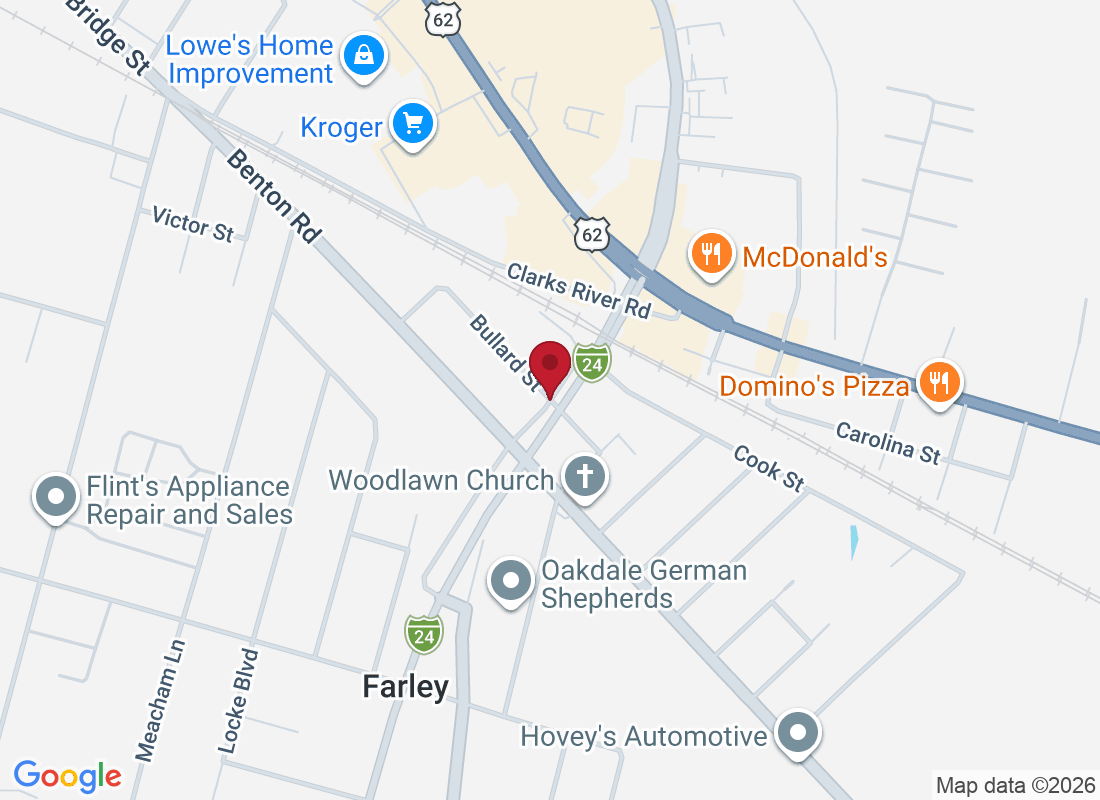
Address: 7121 Kentucky 3520 West Paducah Kentucky 42086
And Surrounding Areas
Business Hours:
Mon - Fri : 7:00AM - 5:00PM
Sat : 8:00AM - 12:00PM
Our Location
© 2025 All Rights Reserved | Manning Roofing and Restoration