
Blog
When Is It Time to Replace Your Roof in West Paducah?
Introduction
Most roofs in West Paducah do not fail all at once. They decline gradually. A few missing shingles turn into minor leaks. Minor leaks turn into soft decking. By the time water stains show inside, the decision often feels urgent.
The better question is not “Is my roof damaged?” Nearly every older roof has some damage. The better question is “Has my roof reached the point where repair is no longer financially or structurally practical?”
In Western Kentucky’s humid, storm-prone climate, that threshold can arrive sooner than many homeowners expect. This guide breaks down the exact indicators that signal replacement is no longer optional.
Roof Age: The Baseline Indicator
Age is not a cosmetic issue. It is a structural variable.
Most asphalt shingle roofs in West Paducah last between 20 and 25 years. Architectural shingles may stretch closer to 30 under ideal conditions. However, ideal conditions rarely apply in an area with heavy rainfall and seasonal storms.
Once a roof crosses the 20-year mark, replacement conversations should begin even if no major leaks are visible. The materials may still appear intact from the ground, but underlayment and decking fatigue often develop beneath the surface.
Age alone does not demand replacement. It establishes the risk profile.
Visible Deterioration: What Surface Clues Actually Mean
Not all surface wear is equal. Some signs indicate cosmetic aging. Others signal system breakdown.
The following subsections clarify the difference.
Granule Loss
A small amount of granule shedding is normal over time. However, when gutters begin collecting heavy accumulations of shingle granules, UV protection weakens significantly. At that point, shingles deteriorate faster with each season.
Curling or Cupping Shingles
Shingles that lift at the edges or cup inward are losing structural integrity. This reduces wind resistance and increases vulnerability during storms common in West Paducah.
Widespread Discoloration
Dark streaks caused by algae are often cosmetic. However, uneven fading across large roof sections may indicate ventilation imbalance, which accelerates aging.
When deterioration appears across multiple slopes rather than one isolated area, replacement becomes more likely than repair.
Structural Warning Signs
Surface clues are visible. Structural clues are felt and measured.
Structural failure usually presents in one of three ways:
Soft decking beneath shingles
Noticeable sagging along rooflines
Recurrent interior moisture despite repairs
If decking feels spongy during inspection, that signals underlying wood fatigue. In that case, replacing shingles alone will not solve the problem.
Sagging sections typically indicate long-term moisture exposure or framing stress. This is no longer a repair issue. It becomes a structural correction.
Repair Frequency: The Financial Tipping Point
Instead of focusing only on current damage, evaluate how often repairs have been necessary.
Consider the following comparison to clarify when replacement becomes more practical.
When repair frequency increases, the roofing system is signaling exhaustion rather than isolated failure.
In West Paducah, repeated storm exposure often accelerates this tipping point.
Interior Evidence That Replacement Is Overdue
Sometimes the strongest signals appear inside the home.
Interior indicators include:
• Persistent attic moisture
• Damp insulation
• Mold near roof decking
• Recurring ceiling stains
• Noticeable energy efficiency decline
When attic ventilation fails or moisture remains trapped, the roof system no longer performs as a protective barrier.
At that stage, replacement addresses both structure and airflow performance.
A Step-by-Step Decision Framework
To determine whether replacement is necessary, follow this evaluation sequence.
Step 1: Confirm Roof Age
If the roof is under 15 years old, begin by investigating repair options.
If the roof is over 20 years old, increase scrutiny of all other signs.
Step 2: Identify Scope of Damage
Is damage localized to one area, or does it appear across multiple slopes?
Localized damage supports repair. Distributed damage suggests decline.
Step 3: Assess Structural Integrity
Have decking or framing concerns been identified during inspection?
If yes, replacement becomes more likely.
Step 4: Review Repair History
Have multiple repairs occurred in recent years?
If repair costs are accumulating, replacement may reduce long-term expense.
Step 5: Evaluate Risk Tolerance
Are you planning to stay long-term, or sell within a few years?
Replacement often strengthens resale negotiations in West Paducah’s market.
This structured approach removes guesswork from the decision.
Replacement Timing and West Paducah Climate
Climate directly affects timing.
In Western Kentucky, roofs face:
• High seasonal humidity
• Heavy rainfall cycles
• Strong spring storms
• Temperature fluctuations
Moisture accelerates material fatigue. Even if damage appears minor, repeated wet-dry cycles can weaken underlying layers.
Planning replacement before severe structural compromise reduces the likelihood of interior damage.
Frequently Asked Questions
How do I know if my roof is too old to repair?
If it exceeds 20 years and shows widespread deterioration, replacement is often more practical than continued repairs.
Can I replace only part of the roof?
Partial replacement is possible but may create uneven lifespan and appearance differences.
Does insurance cover replacement?
Insurance may cover storm-related damage but typically does not cover natural aging.
Will waiting increase costs?
If deterioration continues unchecked, interior repairs and decking replacement may increase total expense.
How long does roof replacement take in West Paducah?
Most residential projects are completed within one to three days depending on size and weather.
Conclusion
Replacing a roof in West Paducah is not triggered by one missing shingle. It becomes necessary when age, widespread deterioration, repeated repairs, or structural decline indicate that the roofing system can no longer perform reliably.
For asphalt roofs approaching or exceeding 20 years, especially those exposed to Western Kentucky’s storm cycles, proactive replacement often prevents escalating repair costs and interior damage.
Homeowners evaluating these indicators often consult experienced local professionals like Manning Roofing and Restoration to determine whether repair remains viable or replacement provides stronger long-term protection.

Our Services
Contact Information
Call (270) 559-9019
Address: 7121 Kentucky 3520 West Paducah Kentucky 42086
And Surrounding Areas
Business Hours:
Mon - Fri : 7:00AM - 5:00PM
Sat : 8:00AM - 12:00PM
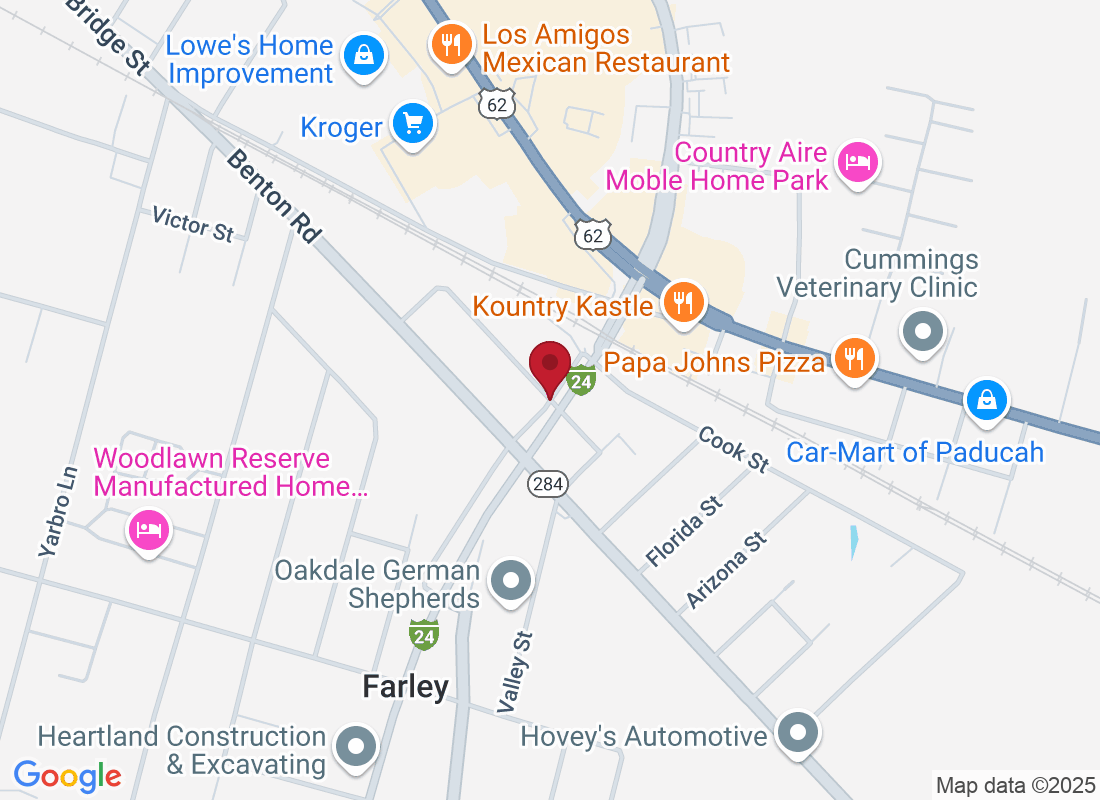
Our Location
© 2026 All Rights Reserved | Manning Roofing and Restoration