
Blog

What Type of Underlayment Is Best for Asphalt Shingle Roofs?
Introduction
When most homeowners think about replacing their roof, they focus on shingles — the color, style, and overall look. But one of the most important decisions actually sits underneath those shingles. The underlayment is the hidden layer that protects your roof deck from moisture and plays a major role in how long your roof lasts.
If you’re installing or replacing a roof in Paducah, Kentucky, where heavy rain, humidity, and seasonal storms are common, choosing the right underlayment can make the difference between a roof that lasts decades and one that develops problems early. Understanding your options helps you build a complete roofing system instead of relying on shingles alone.
What Is Roof Underlayment and Why Does It Matter?
Roof underlayment is a protective sheet installed directly on top of the roof decking before asphalt shingles are applied. It acts as a secondary moisture barrier, catching water that slips beneath shingles due to wind, driving rain, or small installation gaps. While shingles handle most of the weather exposure, underlayment provides backup protection that keeps water away from the wood structure below.
Without this layer, even minor moisture intrusion can lead to rotting decking, mold growth, insulation damage, and costly repairs. That’s why modern roofing systems treat underlayment as a required component rather than an optional extra.
Why Underlayment Choice Matters More in Paducah, Kentucky
Local weather conditions should always influence roofing decisions. In Paducah, roofs regularly deal with steady rainfall, strong thunderstorms, and humid summer air. These factors create repeated moisture exposure that tests every part of the roofing system.
Because of these conditions, underlayment must do more than simply exist — it needs to perform reliably year after year. Roofing contractors working locally, including Manning Roofing & Restoration, often recommend materials with stronger water resistance and durability to handle the region’s climate.
The Main Types of Underlayment Used Beneath Asphalt Shingles
There are several common underlayment materials available today. Each option offers a different balance of cost, durability, and protection, so understanding how they compare makes it easier to choose the right one.
Asphalt Felt (Roofing Paper)
This traditional option has been used for decades on residential homes. It provides dependable moisture resistance and remains a popular choice because of its affordability. Felt performs well for many standard installations, though it can tear more easily and may wrinkle if exposed to moisture during installation.
Synthetic Underlayment
Synthetic underlayment is made from durable polymer materials designed to be lighter and stronger than felt. It resists tearing, handles foot traffic better during installation, and offers improved water resistance. Many homeowners choose synthetic products for added longevity and performance.
Self-Adhering Waterproof Membranes
These peel-and-stick membranes bond directly to the roof deck and create a watertight seal around nails and fasteners. They are not typically used across the entire roof but are installed in vulnerable areas such as valleys, edges, and penetrations where leaks are most likely to occur.
Comparing Underlayment Options Side by Side
Looking at the differences in performance can help clarify which material best fits your needs. The comparison below highlights how each type performs in common roofing conditions.
This overview shows why many modern installations combine materials rather than relying on just one.
How Underlayment Is Installed Beneath Shingles
Proper installation is just as important as material choice. Underlayment must be applied carefully to create continuous coverage that directs water safely down the roof.
The installation process typically follows a clear sequence.
The roof deck is inspected and repaired
Underlayment is rolled out horizontally across the surface
Each row overlaps the previous one to shed water
Fasteners secure the material tightly to the deck
Flashing and membranes are added in critical areas
Shingles are installed on top
By the time shingles are placed, the roof already has a protective barrier in place, which helps guard the home even if weather interrupts the project.
Situations Where Upgrading Underlayment Makes Sense
While basic felt underlayment can be sufficient for some homes, certain conditions call for stronger protection. Recognizing these scenarios helps homeowners decide when it’s worth investing in higher-performance materials.
Upgrading is often beneficial when your roof has a lower slope, your home is exposed to frequent storms, or you plan to stay in the property long term. Homes surrounded by trees or those using higher-end shingles may also benefit from more durable synthetic products. In these cases, stronger underlayment adds reliability and can reduce maintenance over time.
Common Questions Homeowners Ask
Is underlayment required under asphalt shingles?
Yes. Most modern building codes and manufacturer warranties require some form of underlayment.
Is synthetic underlayment better than felt?
Synthetic products typically offer better tear resistance and longer lifespan, though both options provide protection when installed properly.
Do I need waterproof membrane on the entire roof?
Usually not. It’s most effective in valleys, edges, and other leak-prone areas rather than across the whole surface.
Can old underlayment be reused during replacement?
No. New roofing systems should always include fresh underlayment to ensure proper performance.
Does better underlayment extend roof life?
Yes. Stronger moisture protection helps preserve the deck and supports longer-lasting roofing systems.
Conclusion
Underlayment may be hidden once your roof is finished, but it plays a critical role in protecting your home from moisture and structural damage. Choosing the right type helps your asphalt shingles perform better and last longer, especially in climates like Paducah, Kentucky where weather conditions can be demanding.
For homeowners evaluating roofing materials or planning a replacement, the team at Manning Roofing and Restoration works with these systems every day and can provide practical, experience-based guidance tailored to local conditions.

Our Services
Contact Information
Call (270) 559-9019
Address: 7121 Kentucky 3520 West Paducah Kentucky 42086
And Surrounding Areas
Business Hours:
Mon - Fri : 7:00AM - 5:00PM
Sat : 8:00AM - 12:00PM
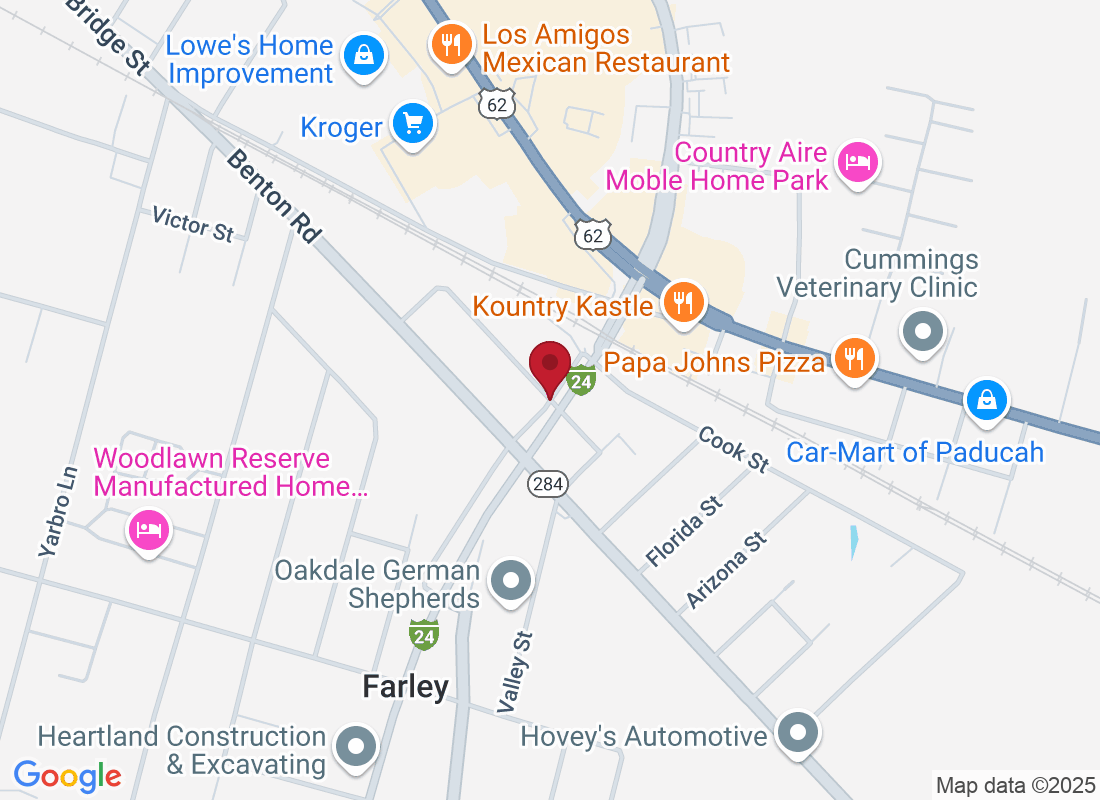
Our Location
© 2026 All Rights Reserved | Manning Roofing and Restoration