
Blog
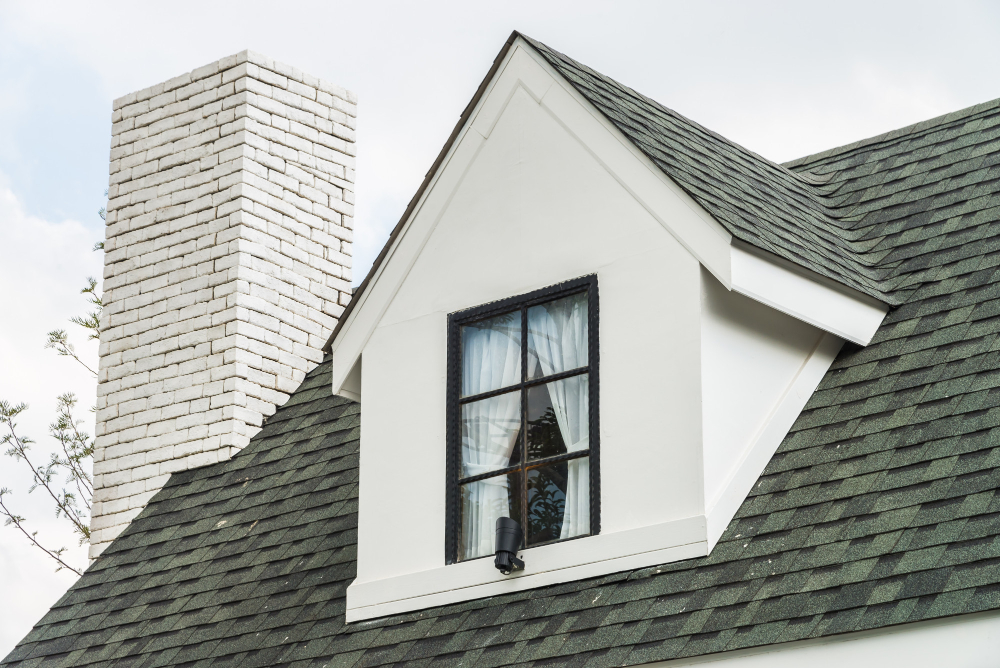
What Is Shingle Underlayment and What Does It Do?
Introduction
When people talk about roofing, shingles usually get all the attention. They’re the visible layer, the part that gives your home its color and curb appeal. But beneath every properly installed shingle roof is a less noticeable component that does just as much work: the underlayment.
If you’re planning a roof replacement or new installation in Paducah, Kentucky, understanding shingle underlayment can help you make smarter decisions about protection and longevity. This guide explains exactly what underlayment is, how it functions, and why it’s considered a standard part of modern roofing systems.
What Is Shingle Underlayment?
Shingle underlayment is a protective material installed directly on top of the roof deck before shingles are applied. It acts as a barrier between the wooden decking and the outer roofing materials.
Think of your roof as a layered system rather than a single surface. From bottom to top, you typically have:
Roof decking (wood base)
Underlayment
Flashing and waterproof membranes
Shingles
The underlayment sits in the middle, quietly serving as a backup defense in case water slips past the shingles.
Even though you never see it once the job is finished, it’s one of the most important layers protecting your home.
Why Underlayment Is Necessary Beneath Shingles
Shingles are designed to shed water, not create a completely sealed surface. Wind-driven rain, lifted edges, or damaged sections can allow moisture underneath.
That’s where underlayment steps in.
Its primary purpose is to stop water from reaching the roof deck. Without it, even a small amount of moisture can soak into the wood, leading to rot, mold, and costly structural repairs.
Underlayment helps:
Block water intrusion
Protect decking from moisture damage
Add temporary weather protection during installation
Improve overall roof lifespan
Support code and warranty compliance
In other words, it provides a safety net that keeps minor issues from becoming major problems.
Why This Matters More in Paducah, Kentucky
Roofing materials behave differently depending on climate. Homes in dry regions might rarely see moisture intrusion, but that’s not the reality in Paducah.
Local conditions include:
Regular rainfall throughout the year
Humid summers
Strong thunderstorms
Gusty winds
Temperature swings that cause materials to expand and contract
These factors increase the chances of water working its way beneath shingles. Over time, that repeated exposure can weaken the roof structure.
Because of this, contractors working in the area treat underlayment as essential. Teams like Manning Roofing & Restoration routinely install it as a standard part of every shingle project to provide dependable protection against local weather patterns.
Types of Shingle Underlayment You’ll See
Not all underlayment materials are the same. Different products offer different levels of durability and performance.
Here are the most common options used today.
Asphalt Felt (Tar Paper)
This traditional material has been used for decades. It’s affordable, reliable, and effective at resisting water when properly installed. Many residential homes still use felt underlayment successfully.
Synthetic Underlayment
Made from lightweight polymer materials, synthetic products are stronger and more tear-resistant. They’re easier to handle and typically last longer than felt. Many contractors prefer them for added durability.
Self-Adhering Membranes
Often called ice and water shield, these membranes stick directly to the deck and seal around nails. They’re used in vulnerable areas like valleys, eaves, and around roof penetrations.
Each type performs the same basic role, but some offer enhanced protection in high-risk areas.
How Shingle Underlayment Works During Installation
Understanding the installation process makes it easier to see why underlayment is considered foundational.
Here’s how it typically goes:
Roof deck is inspected and repaired
Underlayment is rolled out horizontally across the surface
Each row overlaps the one below it
Fasteners secure it tightly to the decking
Flashing is installed
Shingles are placed on top
By the time shingles are installed, the roof already has a protective barrier in place.
This also protects the home if weather hits before shingles are fully installed — something bare decking can’t handle on its own.
Where Underlayment Makes the Biggest Difference
Some parts of a roof are naturally more vulnerable to leaks than others. Underlayment is especially important in these areas.
Common trouble spots include:
Roof valleys
Eaves and edges
Around chimneys and vents
Skylights
Low-slope sections
Water tends to collect or flow heavily in these spots. Adding underlayment — and often extra waterproof membranes — greatly reduces leak risk.
So while underlayment protects the entire roof, it’s absolutely critical in these locations.
What Happens Without Underlayment?
Older homes sometimes lack underlayment because they were built before modern standards. These roofs often show predictable issues over time.
Without that protective layer, you may see:
Faster deck deterioration
Increased leak frequency
Mold growth
Shorter roof lifespan
More frequent repairs
Even brand-new shingles can’t fully compensate for the absence of a moisture barrier underneath.
That’s why skipping underlayment rarely saves money in the long run.
Common Questions About Shingle Underlayment
Is underlayment required by building code?
In most modern installations, yes. Codes and manufacturer warranties usually require it.
Does underlayment make a roof waterproof?
It provides backup protection. Shingles remain the primary water-shedding layer.
Is synthetic underlayment better than felt?
Synthetic products are often stronger and more durable, but both work well when properly installed.
Can shingles be installed directly on wood decking?
It’s possible but strongly discouraged due to higher moisture risk and potential warranty issues.
How long does underlayment last?
When covered by shingles, it typically lasts the lifespan of the roof above it.
Conclusion
Shingle underlayment may not be visible once your roof is complete, but it plays a major role in how well that roof performs. It protects your decking, adds a secondary moisture barrier, and helps your entire system last longer.
For homeowners in Paducah, Kentucky, where storms and humidity are regular concerns, that extra protection makes a real difference. If you’re unsure what type of underlayment your home needs or what’s currently installed, Manning Roofing and Restoration can offer practical guidance based on real-world local experience.

Our Services
Contact Information
Call (270) 559-9019
Address: 7121 Kentucky 3520 West Paducah Kentucky 42086
And Surrounding Areas
Business Hours:
Mon - Fri : 7:00AM - 5:00PM
Sat : 8:00AM - 12:00PM
Our Location
© 2025 All Rights Reserved | Manning Roofing and Restoration