
Blog

Does Roll Roofing Need Underlayment or a Base Layer?
Introduction
Roll roofing is often marketed as a quick, affordable roofing solution. It comes in large sheets, installs faster than shingles, and is commonly used on sheds, garages, and low-slope roofs. Because it’s simpler than a traditional shingle system, many homeowners assume it can be installed directly over the roof deck without any extra layers.
But is that actually safe?
If you’re installing or replacing roofing on a property in Paducah, Kentucky, where rain, humidity, and storms are frequent, skipping protective layers can lead to problems much sooner than expected. This guide explains whether roll roofing needs underlayment or a base layer, how each option works, and what professionals typically recommend for long-term protection.
What Is Roll Roofing and How Is It Different From Shingles?
Roll roofing is a mineral-surfaced asphalt material sold in rolls instead of individual pieces. Instead of overlapping small shingles one by one, wide strips are rolled out and fastened across the roof.
Because of this design, it’s:
Faster to install
More affordable
Lightweight
Common for low-slope or utility buildings
However, unlike architectural shingles, roll roofing forms fewer overlapping layers. That means there’s less built-in redundancy if water finds a way through.
With fewer layers of protection, what’s underneath becomes more important — not less.
Does Roll Roofing Need Underlayment or a Base Layer?
In most situations, yes, it should have one.
While some older or temporary installations placed roll roofing directly over wood decking, modern best practices recommend using either an underlayment or a base sheet. That extra layer helps protect the deck and improves overall performance.
A base layer serves several purposes:
Creates a smoother installation surface
Adds moisture protection
Reduces wear against the deck
Improves adhesion
Helps prevent leaks
Skipping it may save time upfront, but it often shortens the roof’s lifespan.
So even though roll roofing is simpler than shingles, it still benefits from that extra protection underneath.
Underlayment vs Base Layer: What’s the Difference?
People often use these terms interchangeably, but they’re slightly different.
Underlayment
Typically refers to felt paper or synthetic sheets installed beneath roofing materials. It acts as a moisture barrier and protective cushion between the deck and the roof covering.
Base Sheet
A heavier-duty layer specifically designed to sit beneath roll roofing or modified bitumen. It provides extra strength, stability, and waterproofing support.
For many roll roofing systems, a base sheet is preferred because it’s built to handle direct contact with sheet-style materials.
Both options improve protection — the choice depends on the roof type and expected exposure.
Why a Base Layer Matters More in Paducah, Kentucky
Local weather conditions change the equation.
Paducah regularly sees:
Steady rainfall
Strong thunderstorms
Wind-driven rain
High humidity
Temperature fluctuations
These factors increase the chances of water intrusion. Roll roofing installed directly on decking leaves little room for error. Even small gaps around nails or seams can allow moisture to reach the wood.
Adding a base layer or underlayment gives your roof a second line of defense, which is especially valuable in climates where wet conditions are common.
Roofing contractors working locally, including Manning Roofing & Restoration, typically recommend extra protection for this reason.
Situations Where Underlayment Is Strongly Recommended
While a base layer is helpful on most installations, there are cases where it becomes even more important.
You should strongly consider underlayment or a base sheet if:
The roof has a low slope
Drainage is slower
The deck is older or uneven
The structure is exposed to heavy rainfall
The building is heated or insulated
You want longer service life
Low-slope roofs are especially vulnerable because water drains more slowly, increasing the chance of seepage through seams.
In these cases, that extra layer can significantly reduce risk.
How a Base Layer Is Installed Under Roll Roofing
Understanding the process helps explain why professionals include it.
A typical installation looks like this:
Decking is inspected and repaired
Underlayment or base sheet is rolled out and fastened
Seams are overlapped to direct water downward
Roll roofing is installed on top
Edges and seams are sealed
By the time the roll roofing goes on, the roof already has a protective foundation.
If wind or rain finds its way under the top layer, the base sheet helps stop it from reaching the deck.
What Happens If You Skip the Base Layer?
Installing roll roofing directly over wood might work temporarily, but it usually creates problems over time.
Common issues include:
Faster deck deterioration
Moisture absorption into wood
Leaks around fasteners
Bubbling or lifting material
Shortened roof lifespan
More frequent repairs
Once water gets into bare decking, damage spreads quickly and becomes harder to fix.
Replacing a failed roof costs far more than installing a simple base layer from the start.
When Roll Roofing Can Be Installed Without Underlayment
There are limited cases where underlayment may not be used.
Examples include:
Temporary structures
Sheds or storage buildings
Very short-term solutions
Budget-only projects where lifespan isn’t critical
In these situations, longevity isn’t the main concern. For homes or regularly occupied buildings, though, most professionals still recommend the extra protection.
If the goal is durability, skipping the base layer rarely makes sense.
Common Questions Homeowners Ask
Is underlayment required for roll roofing by code?
It depends on local regulations, but many installations still require or strongly recommend a base layer for protection.
Can roll roofing go directly on plywood?
It can, but it increases leak risk and often shortens the roof’s life.
What’s better: felt or a base sheet?
Base sheets are typically thicker and more durable, making them better suited for roll roofing.
Does underlayment make roll roofing waterproof?
It provides backup protection, reducing the chance of moisture reaching the deck.
Will a base layer extend roof lifespan?
Yes. It reduces wear and moisture damage, helping the system last longer.
Final Thoughts
Roll roofing may be simple and cost-effective, but that doesn’t mean it should be installed without proper support underneath. A base layer or underlayment creates a smoother surface, improves durability, and adds essential moisture protection.
For properties in Paducah, Kentucky, where rain and storms are common, that extra layer often makes the difference between a roof that lasts and one that fails early. If you’re unsure which setup is right for your building, Manning Roofing and Restoration can provide practical recommendations based on local conditions and real-world installation experience.

Our Services
Contact Information
Call (270) 559-9019
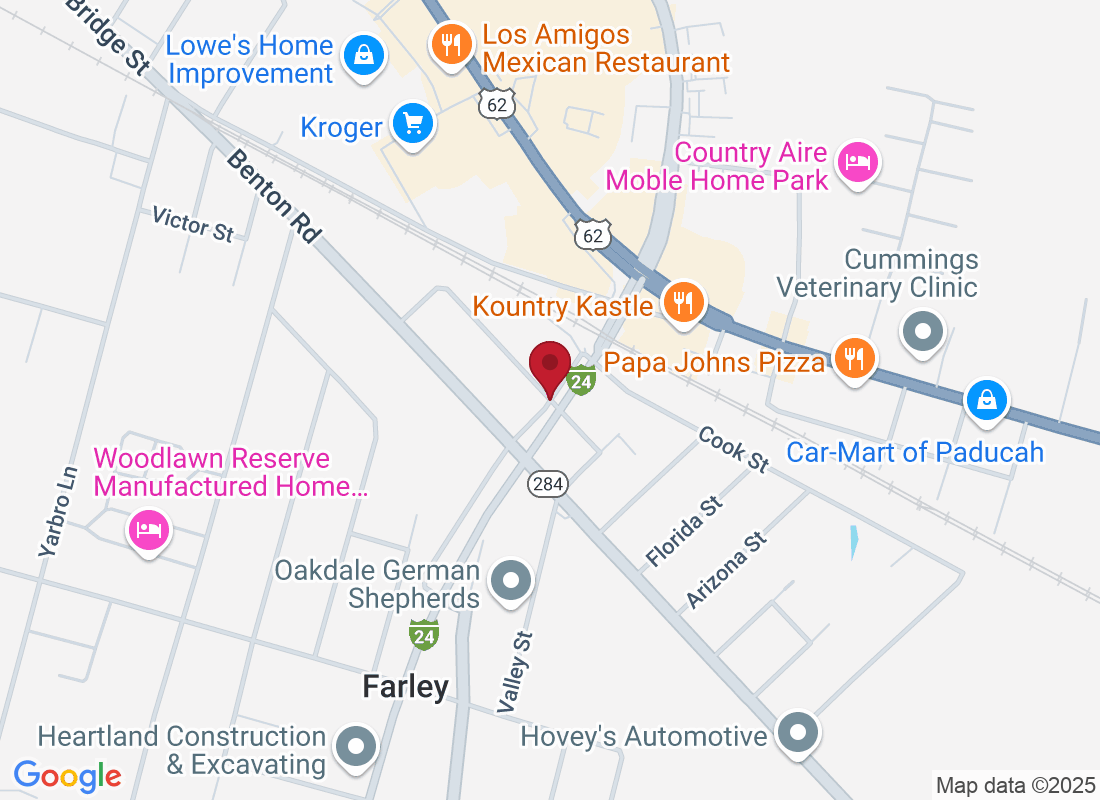
Address: 7121 Kentucky 3520 West Paducah Kentucky 42086
And Surrounding Areas
Business Hours:
Mon - Fri : 7:00AM - 5:00PM
Sat : 8:00AM - 12:00PM
Our Location
© 2026 All Rights Reserved | Manning Roofing and Restoration